Cupertino access notes
residential neighborhoods, school traffic, and office campuses shape how a request should be described. Mention parking, building entry, gate codes, and access limits before dispatch.
 Cupertino Locksmith
Lock, key & access guidance
Mobile service coordination for Cupertino residents, drivers, property managers, and small businesses.
Availability and next steps are confirmed after request review.
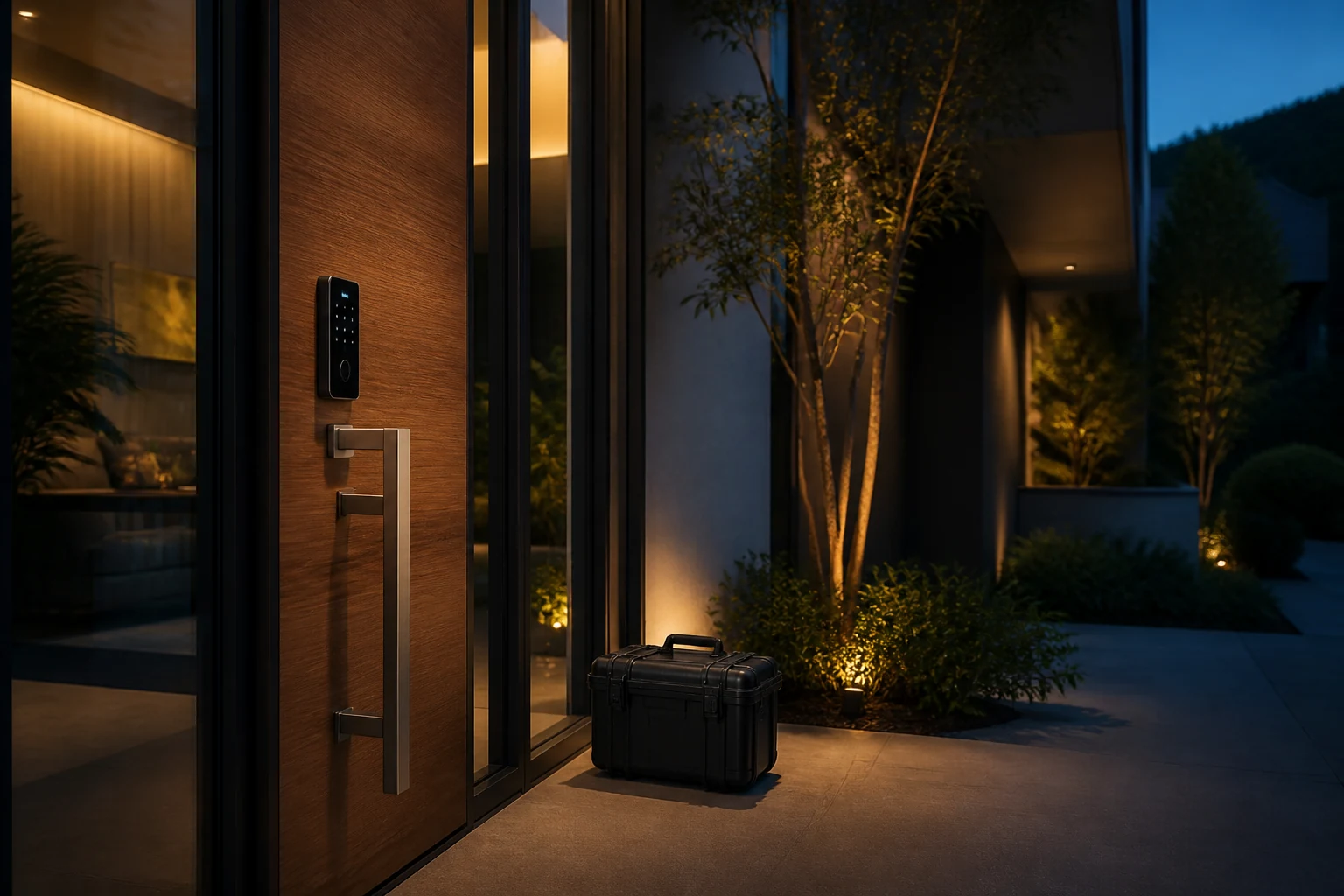
residential neighborhoods, school traffic, and office campuses shape how a request should be described. Mention parking, building entry, gate codes, and access limits before dispatch.
garage, side-gate, and smart-lock coordination for suburban homes can change the tools and time needed. Photos and lock or vehicle details help prevent mismatched service.
Explains appointment notes, photos, parking, and proof details for mobile locksmith visits. The safest request includes the door, lock, key, vehicle, or authorization details before anyone is sent.
Share clear photos when safe, the exact neighborhood or cross street, access notes, and whether the request involves a home, vehicle, business, mailbox, safe, or gate.
Ask what information is needed, what could change the scope, and how availability will be confirmed before scheduling.
City locksmith page, car locksmith, rekeying, and service request.
Cupertino field guide
Begin with observations, not a guessed repair. For this request, document the exact service type, location, access constraints, authorization, visible hardware, and safe photographs. Clear inputs make it easier to separate a key, credential, lock, door-fit, vehicle-electronics, or authorization question.
Mention garage clearance, gates, reception, parking, building check-in, stairs, or property-management procedures. A precise request helps determine whether the service category and access conditions can be reviewed together.
Identify the property, door, gate, cabinet, mailbox, safe, vehicle, ignition, lock, key, fob, or connected device involved. For buildings, explain whether the opening is exterior, interior, shared, managed, residential, commercial, or part of an exit route. For vehicles, include year, make, model, body style, and every authorized credential still available.
Explain what happens from the first attempt through the failure. Note what turns, moves, lights, sounds, latches, unlocks, or remains unchanged. State whether pressure on a door, a different key, a fresh battery, or an authorized alternate credential changes the behavior. Chronology is more useful than a broad label such as “broken.”
Say what successful service should accomplish: regain authorized entry, restore reliable operation, stop old keys, coordinate several doors, replace a lost vehicle credential, correct incompatible hardware, or plan controlled access. Different goals can involve the same visible lock, so the outcome belongs near the top of the request.
Be prepared to demonstrate the right to request access or approve hardware changes. Owners, residents, tenants, managers, employees, vehicle users, and institutional contacts may need different proof. Do not upload identity documents, access codes, key cuts, account passwords, or confidential records through the general form.
Decision framework
Observe whether the door, frame, latch, strike, key, cylinder, or device sits and moves normally. A binding door can load a healthy deadbolt. A damaged key can imitate a cylinder problem. A replacement product may not match the opening even when its appearance is similar.
Separate mechanical movement from electronic recognition and remote features. For connected locks and vehicles, record which local and remote functions still work. For commercial openings, note whether closing, latching, locking, egress, and access-control behavior fail together or independently.
Define who should retain access afterward. Rekeying, replacement, duplicate keys, master-key changes, guest codes, fobs, and administrator accounts affect control differently. A technically functioning lock can still fail the requested key-control or credential-management goal.
Cupertino context
Cupertino requests may involve detached homes, multi-unit properties, school-adjacent traffic, office campuses, managed workplaces, retail entrances, garages, and gates. Parking, reception, property contacts, security desks, or building procedures can affect access. Include those constraints early so the request is evaluated as a complete arrival and authorization path.
Homes and workplaces may also combine mechanical keys with smart locks, remotes, proximity credentials, mobile apps, or vehicle systems. Name each part that still works. Avoid resetting accounts, deleting credentials, forcing hardware, or purchasing a visually similar replacement until compatibility and ownership are clear.
No. A message can identify the likely service category and missing details, but final scope depends on lawful authorization and the observed hardware, door, key, credential, vehicle, and surrounding conditions.
Use photos to show the hardware and nearby context when it is safe. Exclude codes, documents, key cuts, combinations, account details, and other information that could expose access.
Not until fit and compatibility are understood. Bore dimensions, backset, handing, door construction, cylinder format, electronics, vehicle generation, and access goals can all affect the correct choice.
Read the related service guide, browse the Cupertino Locksmith Learning Center, or submit the facts already available for individual review.
Final review
Before sending the request, reread it as if the reviewer cannot see the property or vehicle. Confirm that it names the system, symptom, desired outcome, authorization posture, and access constraints. Correct assumptions and keep events in order. This helps avoid mismatched parts, repeated explanations, and a proposed scope that solves a different problem.
After receiving guidance, compare it with the facts supplied. Ask which components are included, which remain in place, what conditions could change the plan, and how keys or credentials should behave afterward. Test authorized operation methodically before separating new keys, fobs, remotes, or account access.
Readiness check
Before the request: check for a safe, authorized alternate path; gather the model, part, key, fob, or hardware information already visible; and write a short timeline of the symptom. If a door is involved, note whether it closes and latches normally before locking. If a vehicle or electronic credential is involved, note which mechanical, remote, and authorization functions respond.
Before approving a scope: confirm which component is being addressed, which existing hardware or credentials remain, what compatibility has been established, and which conditions could change the plan. A proposed lock, cylinder, smart device, key, fob, or opening repair should match both the physical system and the access-control outcome.
After the work: test every intended authorized method while the details are still available. Check closing and latching, inside and outside operation, old and new key behavior, remote functions, credential permissions, and mechanical override where applicable. Keep removed keys, fobs, cylinders, or account access secure until the completed change is understood.
A concise request can still be complete: identify the system, observable behavior, authorized outcome, timing, and access constraints in plain language before adding supporting details.
Use the request form to share service context and a reply method—not sensitive access material. If a detail changes after submission, correct it before scheduling so the reviewer is working from the current facts.
Use the secure form with enough context for practical triage. A vague request usually slows the process.